Mastering Agentic AI Workflows with LangGraph
Mastering Agentic AI Workflows with LangGraph
The shift from simple LLM prompts to complex Agentic Workflows is redefining how we build AI-powered applications. At Hectadata, I've been architecting systems that don't just "answer" but "act" and "reason."
What is LangGraph?
LangGraph is an extension of LangChain that allows you to build cyclical graphs, which are essential for creating agents that can loop, self-correct, and maintain complex state over multi-step tasks.
Why Agents?
Unlike traditional linear chains, agents can:
- Tool Use: Decide which external API or database to call.
- Self-Correction: Review their own output and retry if it doesn't meet quality standards.
- Memory: Maintain state across long-running interactions.
Architectural Pattern: The Supervisor
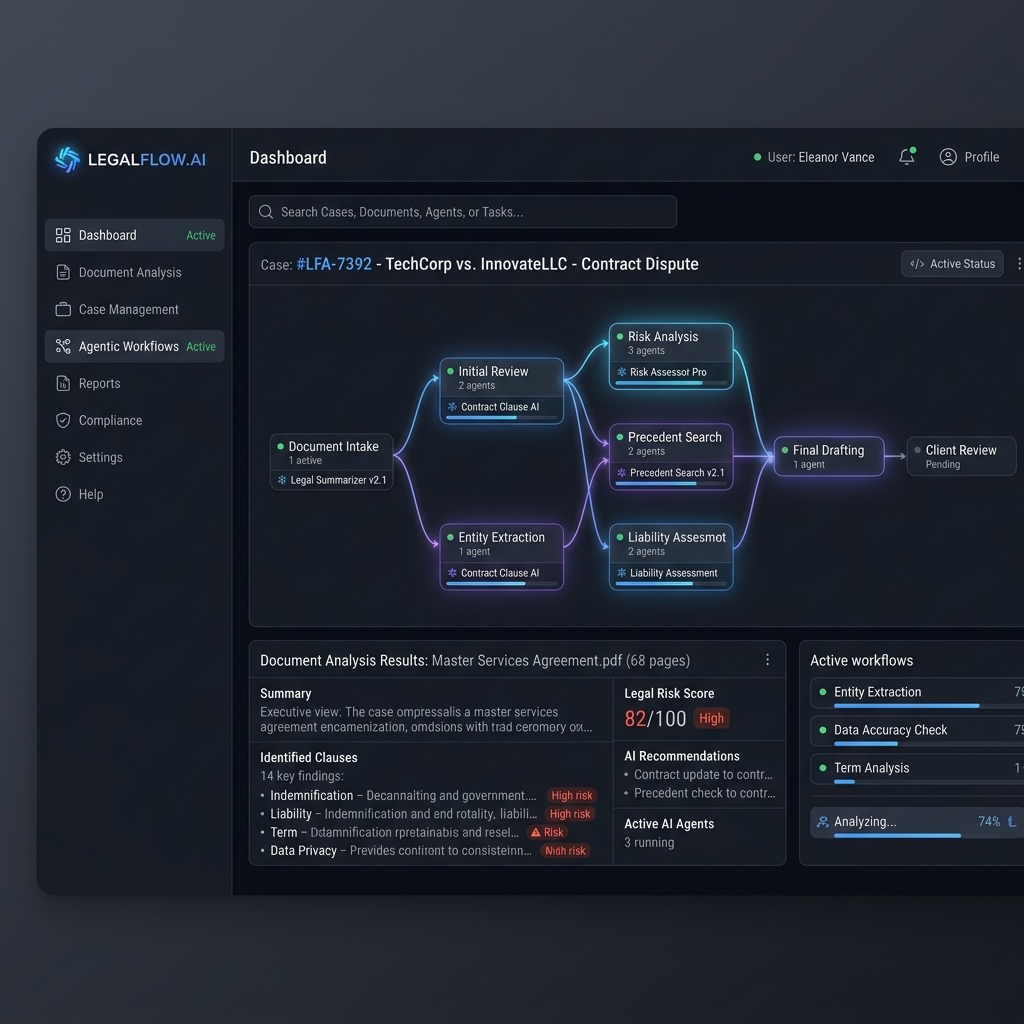
One of the most powerful patterns is the Supervisor Agent. In this setup:
- A "Supervisor" node decides which specialized worker node should handle the current task.
- Worker nodes perform specific actions (e.g., Search, Analysis, Summarization).
- Results are passed back to the Supervisor for final verification.
Implementation with FastAPI
Integrating these workflows into a high-performance API requires a robust backend. We use FastAPI to:
- Handle asynchronous graph execution.
- Manage persistent state in PostgreSQL.
- Provide real-time updates via WebSockets.
Conclusion
Building with LangGraph requires a shift in mindset from "coding instructions" to "designing logic flows." As AI continues to evolve, mastering these agentic patterns is key to delivering real-world business value.